
What we do
Passive fire protection, installed and certified
Penetration sealing, fire collars, joint sealing and bulkheads installed to the manufacturer's tested specification, then inspected and certified. Commercial projects across Brisbane and South East Queensland.
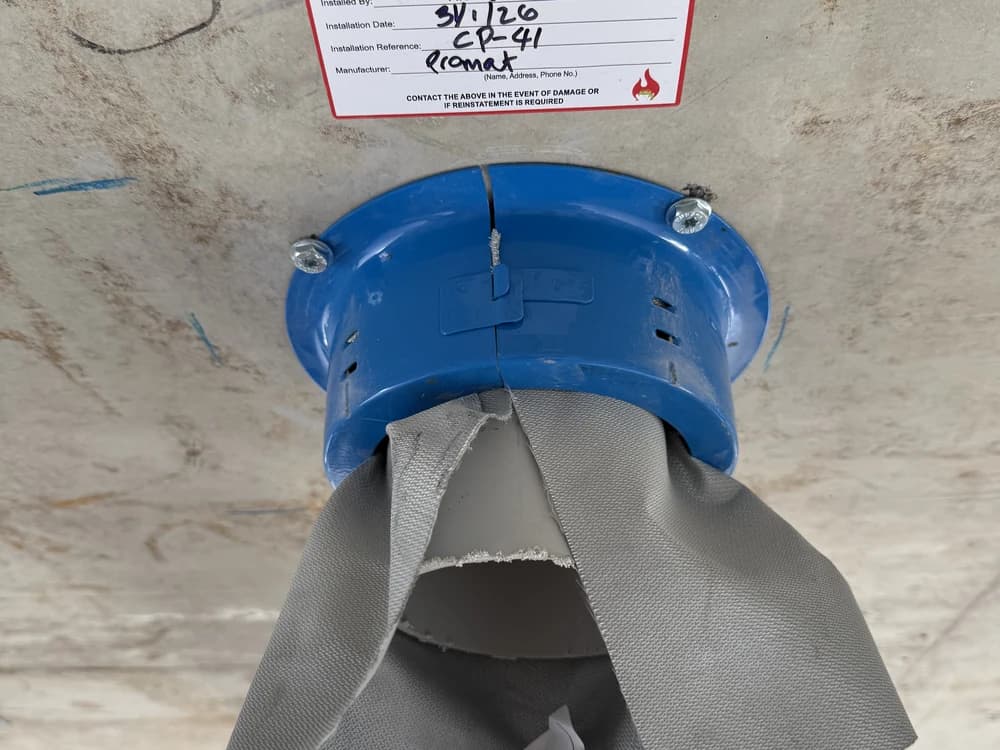
Fire Collars
Supply and installation of fire collars on plastic pipe penetrations, sized and fixed to the manufacturer's tested detail.
- Pipe material, diameter and substrate checked before any collar is ordered
- Collar selection matched to the manufacturer's tested detail for that combination
- Retrofit collars for live services and cast-in or surface-mounted collars on new work
- Fixings to the tested pattern
- Fire stop sealant or coated batt around the balance of the penetration
- Labelling at each collar recording the system installed
- Certification of the completed installation on request
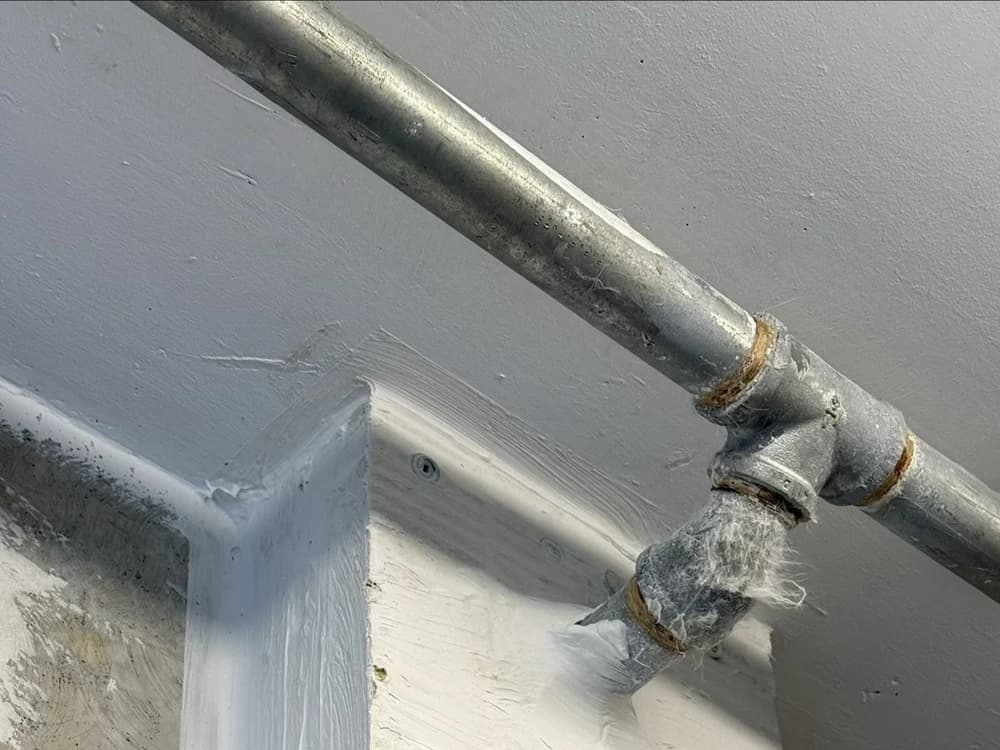
Fire-Rated Bulkheads
Fire-rated bulkheads built to enclose and protect services where a penetration cannot be sealed on its own. Typically a two-day build on a commercial job.
- Assessment of whether a bulkhead or a direct seal is the correct answer
- Set-out around the services, allowing for clearances the tested detail requires
- Framing and rated lining to the tested construction, with correct layer count and fixing centres
- Junction sealing where the bulkhead meets the existing slab, wall or structure
- Rated access panels where future access to services is needed
- Penetrations through the new bulkhead sealed to a tested system
- Certification of the completed assembly on request
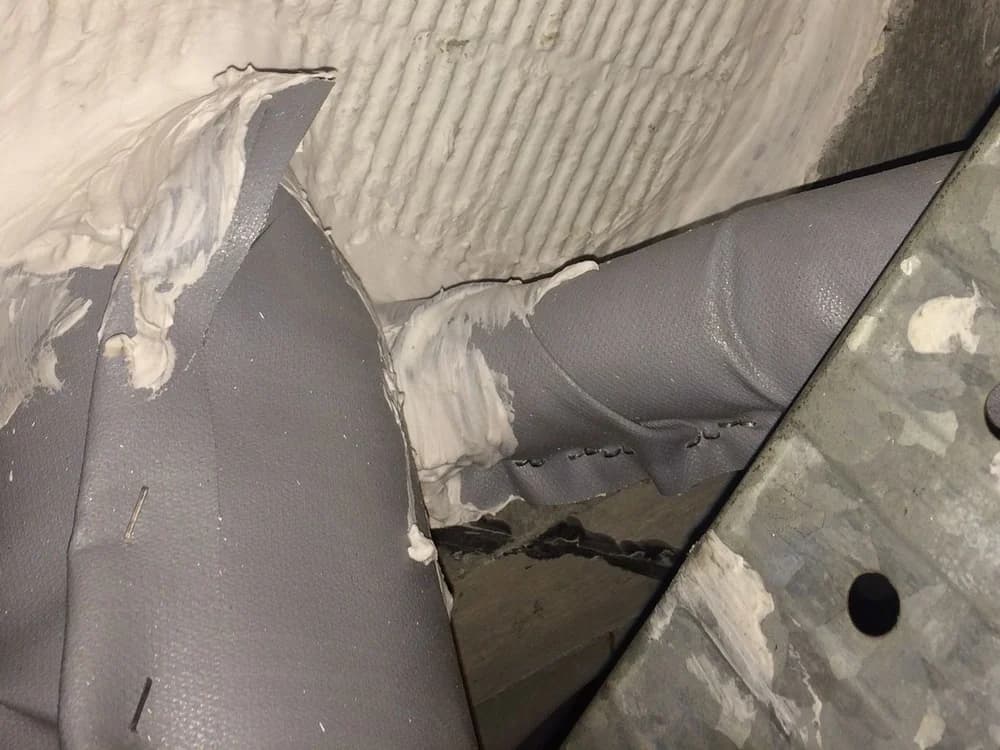
Fire-Rated Joint Sealing
Fire-rated sealing of construction joints, head-of-wall and slab edge details, keeping the compartment intact where building elements meet.
- Joint type, width and movement requirement identified before a system is selected
- Head-of-wall, slab edge, wall abutment and control joint details
- Backing rod, mineral wool and compression packing to the tested detail
- Fire-rated sealant and proprietary joint systems rated for the required movement
- Access equipment arranged where joints run at height
- Labelling and a record of the system installed along each run
- Certification of the completed work on request
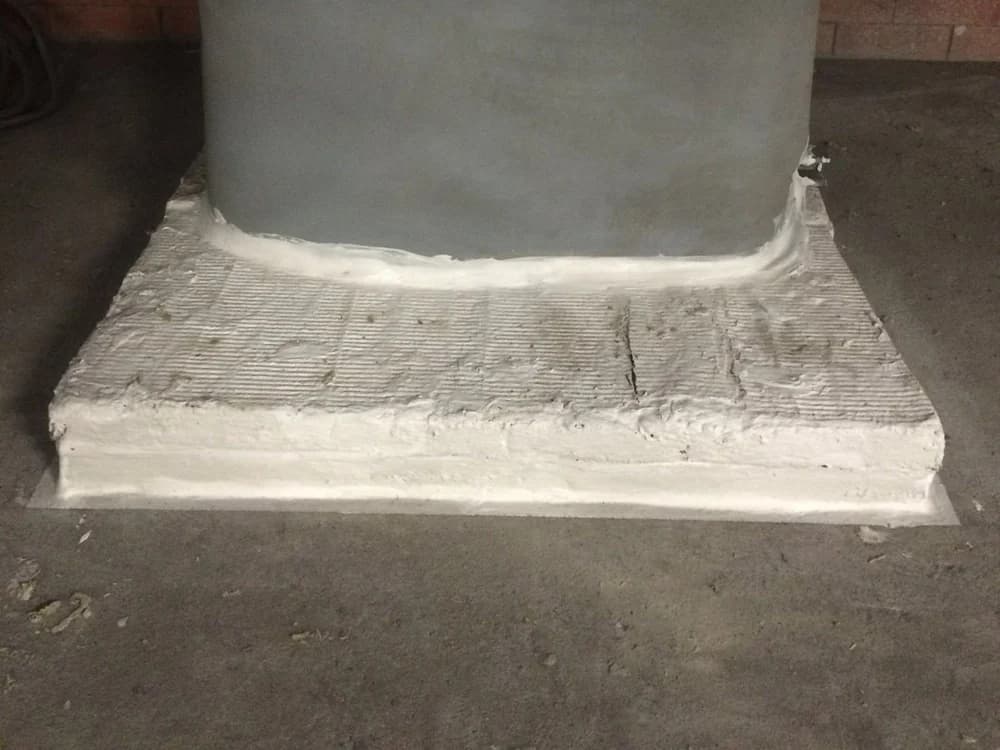
Fire-Rated Penetration Sealing
Cable and pipe penetrations sealed to the tested system specification, so the fire rating of the wall or slab is maintained and the work can be certified.
- On-site assessment of every penetration in scope
- System selection matched to the substrate, service type and annular gap
- Fire stop sealant, fire-rated mortar, coated batt, wrap and pillow systems as the tested detail requires
- Fire collars where plastic services pass through the element
- Installation to the manufacturer's tested specification
- Labelling at each penetration recording the system installed
- Certification of the completed work on request
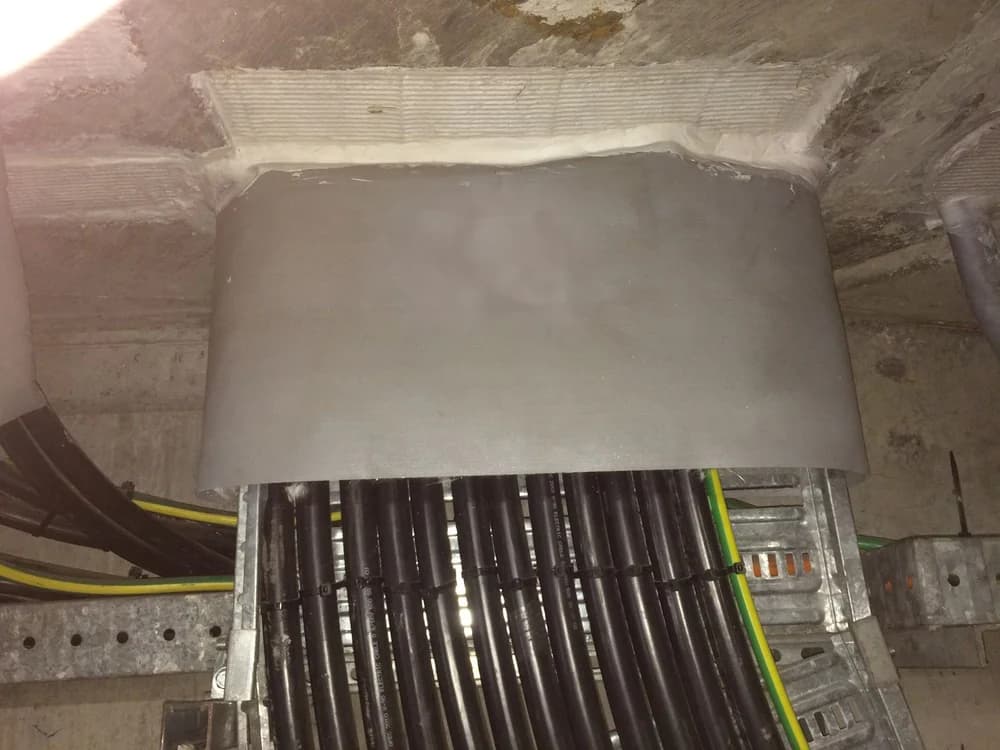
Inspections and Annual Surveys
Inspection and testing of existing passive fire systems, including annual surveys, with a clear report on what fails and what it takes to bring it back to standard.
- Inspection of accessible penetrations, joints and rated elements in scope
- Assessment against the tested system that applies to each one
- Photographic record with locations, item by item
- A written register of the passive fire in the building
- A prioritised list of what fails and what the remedy is
- Repeat annual surveys scheduled to the same scope for year-on-year comparison
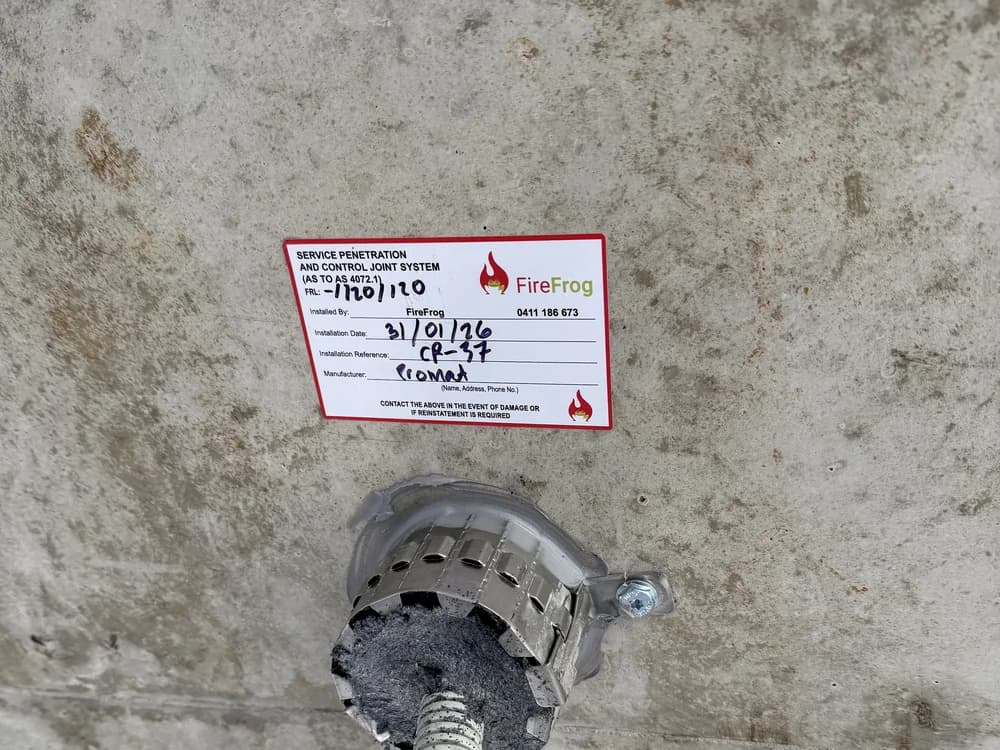
Passive Fire Certification
Certification of installed passive fire systems, covering our own work and rectification of others', so the project can demonstrate compliance at handover.
- Assessment of installed passive fire against the applicable tested systems
- Register of penetrations and joints with location, element and system reference
- Photographic record of the installed work
- Clear separation of what can be certified as installed and what needs rectification first
- Certification documentation issued on completion
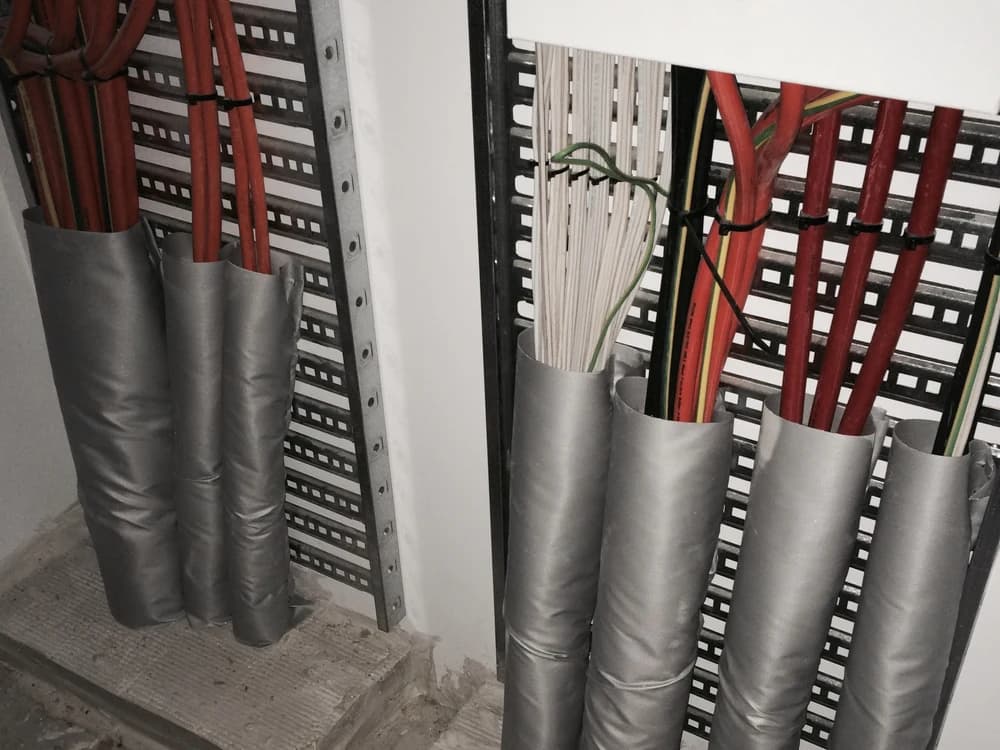
Rectification of Non-Compliant Passive Fire
Bringing existing penetrations and joints up to a tested system, so the building can be certified.
- Assessment of what is installed and whether any of it already meets a tested system
- Photographic record of every item, with locations, before work starts
- Removal of non-compliant fill and preparation of the opening
- Reinstallation to the manufacturer's tested detail
- Retrofit fire collars where plastic services were left unprotected
- Fire-rated bulkheads where the opening is past what any seal covers
- Certification of the rectified work on completion